
Investigations
How long does SEO take to show results for your website?
A realistic explanation of how long SEO takes to work, why the timeline varies and how to recognise useful progress before enquiries grow.
If someone is good at SEO, shouldn’t they be able to make a website rank at the top of Google? The answer isn’t as straightforward as you might think.
Good Search Engine Optimisation (SEO) can fix problems, improve useful pages and give your website a better chance of appearing for the right searches. It can’t, however, buy a position or guarantee first place, and Google warns that nobody can guarantee a number-one ranking.
The honest answer to ‘how long does SEO take to show results?’ is therefore months rather than days. Your starting point, rivals and workload all affect the pace, while different types of result appear at different times.
How long does SEO take to show results?
SEO often takes three to six months to show a useful change, but that range is a guide rather than a promise. Some websites respond sooner when a clear fault is fixed, while others need six to twelve months or longer before search brings enough good leads to affect revenue.
The word ‘results’ also needs a clear meaning. A page being found by Google is an early result, while a rise in non-brand impressions means the site is appearing for more searches that don’t use your business name. Better rankings, useful visits and good leads are later results, and they won’t always arrive together.
A fair timeline starts with the business result you need and works backwards. More impressions can show that reach is growing, although the work has not paid back until the right people visit and enough of them act.
Your planning window
Calculate how long SEO will take for your website
Answer three questions about your starting point, competition and how quickly changes can be made. You’ll receive a realistic planning window rather than a guaranteed result date.
- Starting point
- Competition
- Delivery pace
Your planning window
How long does SEO take to work?
SEO starts working when useful changes help Google and customers understand your website, although its effect on sales may take longer to see. Research can start at once, key pages can improve and faults can be fixed from the beginning.
Those outputs aren’t the same as outcomes. A fixed fault or improved service page shows that work has happened, while more relevant searches, good visits and leads show whether it is having a useful effect.
This difference matters when you review SEO. Six months can allow time to assess the site, do useful work and learn from the first data, but the contract length can’t guarantee ranking improvements or a fixed return.
How long does SEO take for a new website?
SEO often takes longer for a new website because it has no search history. The site may be well made and useful, yet Google still needs to find its pages and decide when they are a good match.
An older rival may have years of good content, links and name recognition. A new site must close part of that gap and show which services or products it should rank for.
An older site can improve faster when a known fault is fixed because much of the groundwork is in place. A new site may first need more useful pages and time to compete, so the same quality of work can lead to different timelines.
Why does SEO take so long?
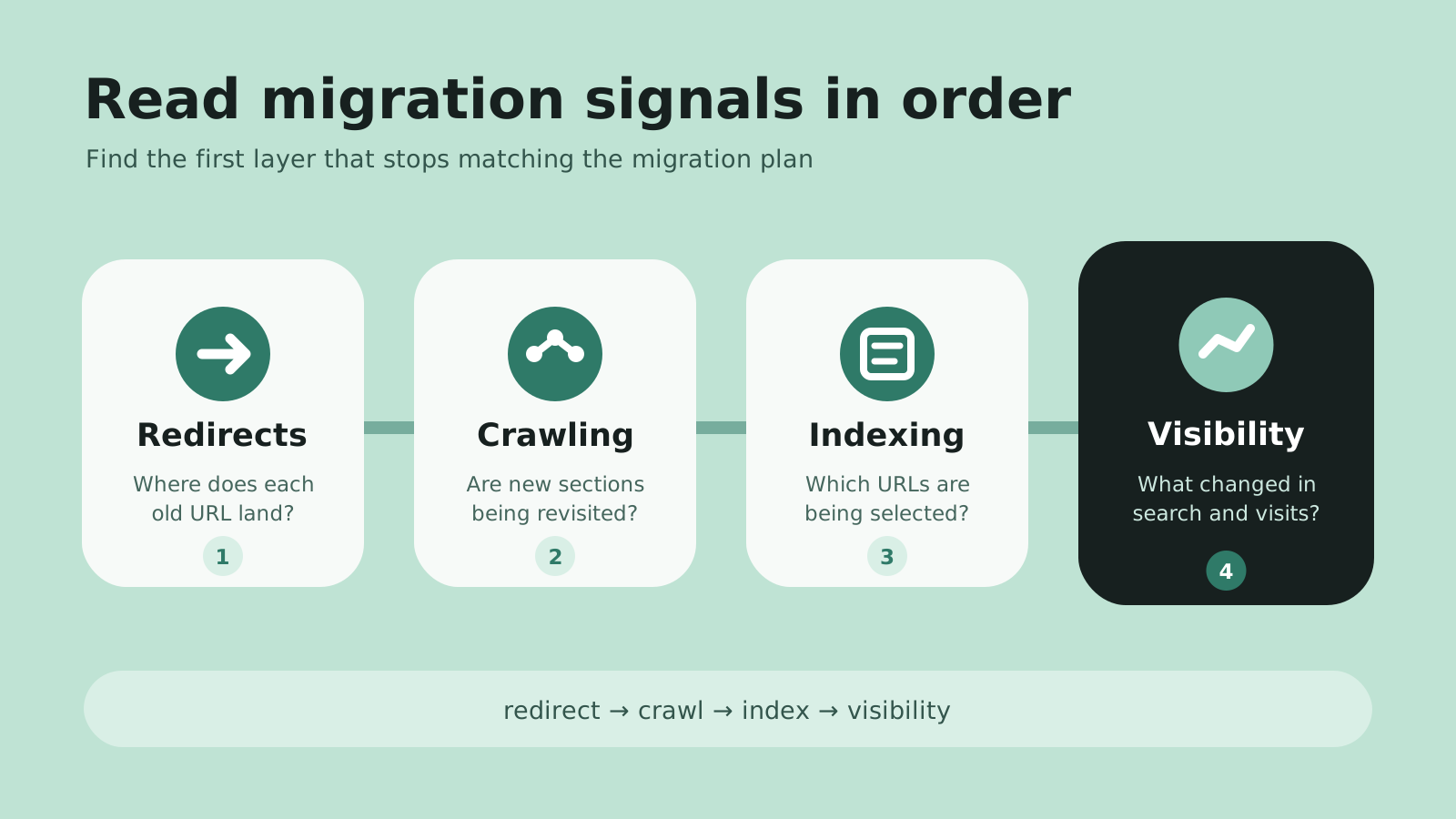
SEO takes time because Google must find a page, add it to its index and decide when to show it. Google’s guide to how Search works treats these as separate steps, and none has a fixed timetable.
Competition adds another unknown because a small local market can move in a different way from a national search. Your own pace matters too because work can move only as fast as access, decisions and website support allow.
The work rarely follows a neat order. Research may uncover a fault, while a fixed page may reveal a gap in the content and early search data can change what deserves attention next. A useful plan adapts without losing sight of leads and sales.
How long does it take for your SEO to update?
An SEO change may go live at once, but Google and your reports can take longer to reflect it. Google must revisit the page before it can assess the new version, while reports need enough fresh data to show whether search views or visits changed.
Small wording changes may never create a clear jump on their own. A fixed indexing fault can have a clearer effect once Google processes it, while a new group of service pages may need months to gain useful reach. The size of the change and the site’s starting point both affect the wait.
This is why the date of each change matters. An early report can make sound work look weak if Google hasn’t processed it, while a brief rise may fade when you review a longer period.

How to tell if your SEO is working?
You can tell if your SEO is starting to work when the evidence moves from completed tasks towards search reach and business results. No single number proves success, so the clearest view follows several linked signs:
- Google can find and index the important pages.
- The site appears for more relevant searches that don’t use your business name.
- Impressions and rankings improve for searches linked to useful services or products.
- Good visits from organic search become more steady.
- Leads or sales from those visits start to justify the cost of the work.
Early signs matter because they can show direction before revenue changes, but they aren’t a substitute for the final result. A rise for poor-fit searches may look good in a report without helping your business.
How to check if your SEO is working?
You can check to see if your SEO is working by comparing completed work with search views, good visits and leads over a fair period. Google Search Console shows which searches led to impressions and clicks, while Google Analytics 4 shows what organic visitors did after they reached your website.
A useful report joins those sources instead of showing rankings or traffic without context. It should show what changed, what happened next and whether the result moved closer to a business goal. A fair time period matters because seasons, campaigns and one unusual week can distort the view.
A custom report can help when standard views hide the measures that matter to your business. searchDecoded can build a tailored dashboard as part of its managed SEO support, giving you a clearer basis for deciding what to keep, change or check next.
Why isn’t my SEO working?
SEO may look weak because your site still has faults or targets the wrong searches. Its pages may not compete well, the reports may miss valuable actions or limited time may leave the most important work waiting while easier tasks fill the report.
The problem may sit in the plan rather than your website. A provider can finish many tasks while chasing rankings or traffic that don’t support your business’s key goals. If your current search specialist says ‘SEO takes time’, that may explain why results aren’t instant, but it doesn’t excuse silence, vague reports or work with no clear link to an agreed goal.
A second opinion can help when the work is hard to link to leads or the explanation has stayed vague. Another search specialist can review the starting point, completed work and reports without assuming that the current provider is wrong. searchDecoded can offer that independent view through its SEO consultancy and locum support, showing whether the plan needs more time, better focus or a new priority.
Is SEO still worth it?
SEO is still worth it when customers use search to find what your business sells and your website can become a useful result. Its value comes from improving an asset your business owns and building reach that can last beyond one task.
The return, however, isn’t automatic. The market needs enough demand, your website must turn good visits into leads or sales, and the cost must make sense beside other ways to reach customers. A sound case for SEO is based on those variables and the evidence behind them, not a claim that every firm should invest.
The long-term nature of SEO can become an advantage once useful pages gain steady reach. Good work can build on earlier gains as the site becomes more useful and better known, although results will still change as rivals and search features change.
How to improve SEO quickly?
The quickest useful gain often comes from finding the main barrier and focusing effort there. A site blocked from Google’s index needs a different first move from an older site with weak service pages.
Generic checklists can spread limited time across low-value tasks. A search specialist can assess your website, its rivals and your business goals together, then use that evidence to shape the best route to a useful return. This focus can’t remove Google’s timetable or promise results, but it can cut wasted work.
searchDecoded’s SEO services provide that aim and focus through research, clear priorities, delivery and reporting shaped around your website. SEO results still need time to grow, while the reason for the work and the signs of progress should become clear much sooner.